Home / Lab Grown Diamonds
Lab Grown Diamonds
By consultation · Rose Bay
A modern alternative

Lab Grown Diamonds.

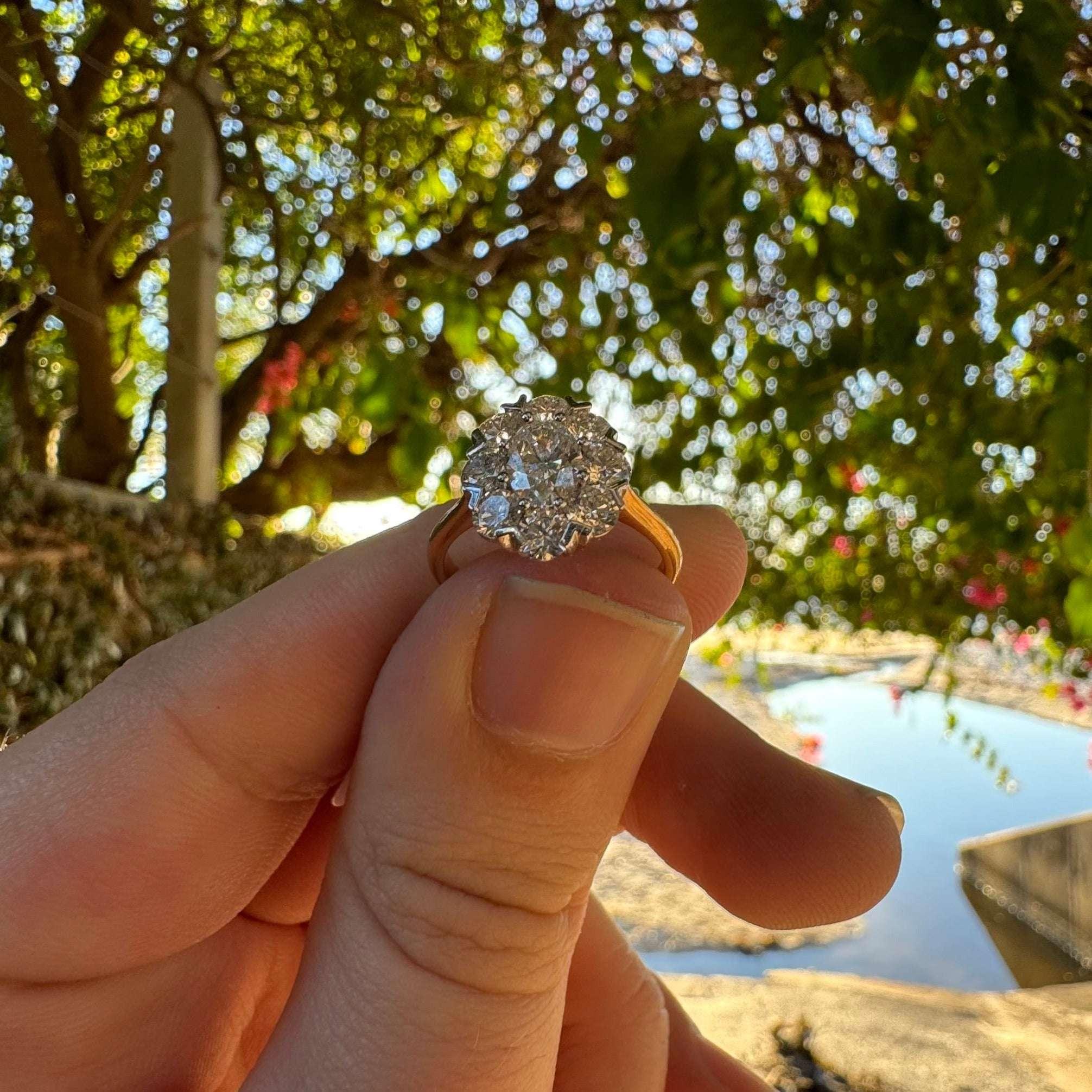
Real diamonds, grown in a laboratory instead of pulled from the earth. We work with both lab grown and naturally mined stones, and we'll talk you through which is right for your piece - with the same gemmological assessment we give to any stone that crosses our bench.

Lab Grown Diamonds
Section I

Real diamonds, made differently.

Lab grown diamonds are chemically, physically, and optically identical to mined diamonds. The only difference is where they came from: instead of forming over a billion years deep in the earth, they're grown over a few weeks in a laboratory under conditions that mimic that natural environment.

The carbon structure is the same. The sparkle is the same. The hardness (a perfect 10 on the Mohs scale) is the same. They scratch, set, polish, and wear exactly like any other diamond, and they're graded by the same four characteristics - cut, colour, clarity, and carat.

"Both are diamonds. The difference is geology, not chemistry."

Section II - How they're made

Two methods, one result.

HPHT

High Pressure, High Temperature

A small diamond seed sits in a press that recreates the conditions deep in the earth's mantle - around 1500°C and pressures of 5 GPa. Over a few weeks, carbon crystallises around the seed and grows into a rough diamond.
CVD

Chemical Vapour Deposition

A diamond seed is placed in a vacuum chamber filled with a carbon-rich gas. The gas is heated until carbon atoms break free and settle on the seed, building the diamond up layer by layer. Most lab grown diamonds in the market today are CVD grown.

Lab grown rough is then cut and polished by the same craftspeople who cut mined diamonds, using the same equipment and the same standards. By the time the stone reaches us, it's indistinguishable to the naked eye - and, often, to a gemmologist without specialised testing equipment.

Section III - Grading

The same four characteristics.

Cut

How the diamond is shaped and faceted. The most important driver of brilliance and the only C the cutter controls entirely.

Colour

Graded D (colourless) to Z (light yellow). For lab grown, most clients aim at D-F for white pieces and pick fancy colours when the design calls for it.

Clarity

A measure of internal inclusions and surface blemishes. Graded from Flawless (FL) to Included (I3). VS1-VS2 is usually the sweet spot.

Carat

The weight of the stone, not its visual size. A well-cut 1.0 ct can appear larger than a poorly-cut 1.2 ct - cut comes first, always.

Every lab grown diamond we present comes with an independent grading report - usually from IGI, GIA, or GCAL. We review every certificate ourselves before recommending a stone, and we'll walk you through what the numbers actually mean for the piece you're planning.

Section IV - Why people choose them

Three honest reasons.

Reason 01

Price

Lab grown diamonds typically cost 40-70% less than a comparable mined diamond. That means a larger stone for the same budget, or the same stone with a more considered setting.

Reason 02

Provenance

No mining required. The supply chain is short, traceable, and free of the ethical concerns that surround some mined stones. For clients who care about that, it's the strongest argument.

Reason 03

Environmental footprint

A smaller land impact and no displacement of communities, though energy use during growth is significant. Neither option is impact-free; we discuss both honestly.

The other side

Natural diamonds still carry a rarity and resale value that lab grown doesn't, and many clients choose a mined stone for an heirloom piece for that reason. Both are good choices. Our job is to help you decide which one suits the piece, the occasion, and the budget.

Sourced for you, not stocked in the window.Studio · Diamond viewingStones brought in per consult
Section V - How to view them

Sourced for you, not stocked in the window.

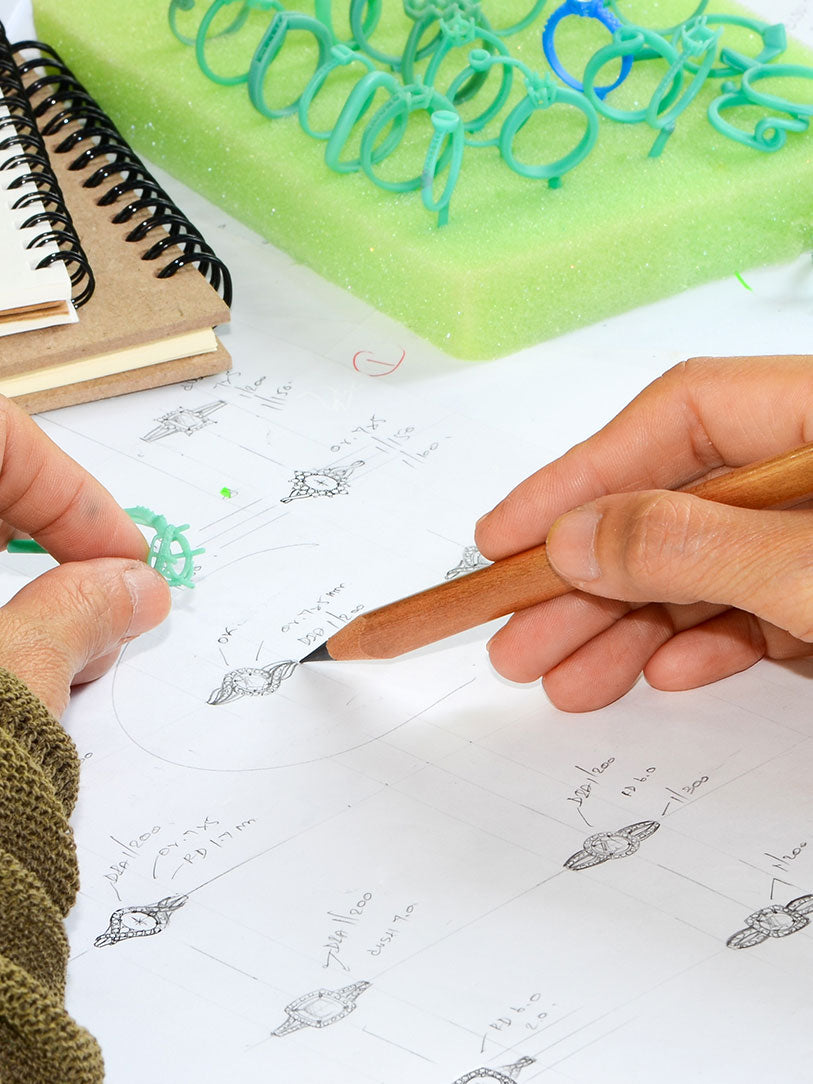
We don't keep a fixed inventory of loose lab grown diamonds on display. Instead, we source stones per consultation - tell us what you're looking for (shape, carat, colour, clarity, budget) and we'll bring in a curated selection for you to compare in person.

Most consultations end with three to five stones laid out side by side on the workbench. You look, we explain, you decide. No pressure to choose on the day.

FAQ

Questions we hear most.

Are lab grown diamonds real diamonds?

Yes. Chemically, physically, and optically identical to mined diamonds. The Federal Trade Commission and the GIA both classify them as diamonds, not simulants. Cubic zirconia and moissanite are simulants - lab grown diamonds are not.

Can you tell the difference by eye?

No. Even a trained gemmologist generally can't without specialised testing equipment. The independent grading report is the only reliable way to confirm whether a stone is lab grown or mined.

Do they hold their value?

Less than mined diamonds, at present. Lab grown is a relatively young market and supply is increasing, which has put downward pressure on resale value. If long-term value is your priority, a natural diamond is the stronger choice. If the piece itself is the priority, lab grown wins on size for budget.

Can I have a lab grown diamond in a custom design?

Yes - our four-step custom process is exactly the same. We've set lab grown stones into engagement rings, anniversary bands, redesigned heirlooms, and one-off commissions. The diamond chooses itself once you've decided on the design and the budget.

What sizes can you source?

Anything from melee (under 0.10 ct) up to 5.00 ct and beyond. Beyond about 4 ct, availability narrows; we'll be honest about lead times and options when you tell us your target.

Are lab grown diamonds eco-friendly?

More land-friendly than mining, but the growing process is energy intensive. The honest answer is 'better in some ways, not in others.' We can share the most recent independent reports if you'd like to read further.

Ready to look at stones?

Tell us what you're after.

Shape, carat, colour, clarity, budget - send through what you have in mind and we'll line up a curated selection for your next appointment. The kettle's on.

Book a consultation →Email us your brief